Siam Tires Hub

Blog

Pirelli tyres
Blog

Why Do Pirelli Tyres Remain Relevant Across Different Driving Needs?

Choosing a tyre is not simply about finding a product that fits a wheel. The right choice depends on the vehicle, operating conditions, load requirements, road surface, and expected performance. This becomes even more important when comparing tyres intended for passenger vehicles with those designed for commercial or industrial use. Pirelli tyres are represented across different applications, including truck and bus radial tyres and off-the-road products. Their appeal comes from a combination of grip, stability, durability, and performance. However, understanding where different tyre types fit is essential before assessing their value. The available tyre range also shows how tyre selection can extend well beyond everyday passenger driving. Factors such as size, load rating, speed rating, and intended application can all influence whether a particular tyre is suitable for a vehicle. What makes Pirelli tyres relevant to different applications? A tyre has to work within the conditions for which it was designed. A passenger car travelling mainly on paved roads has different requirements from a heavy vehicle operating with commercial loads. Similarly, construction and mining equipment can face surfaces that are far more demanding than ordinary roads. Pirelli tyres cover more than one of these operating environments through different product lines. The supplied range includes products classified under Truck & Bus Radial Tyres and Off-The-Road Tyres.  This distinction matters because tyre construction and specifications are closely connected to use. Consequently, the product name alone does not tell the complete story. The size, load index, speed rating, ply rating, and application category should all be considered together. How Do Specifications Affect Tyre Selection? Tyre markings may look technical, but they provide useful information about how a tyre is designed to perform. Details such as size, load capacity and speed rating help buyers understand whether a product matches their vehicle and driving conditions. For commercial vehicles, these specifications become even more important. A tyre selected for regular road travel may have different requirements from one used for heavy loads or demanding work environments. Therefore, the application should always be considered alongside the tyre specifications. Furthermore, choosing the correct specifications helps support safe and dependable operation. Matching the tyre with the vehicle, workload and operating environment ensures it is used appropriately. Where does road and terrain performance matter most? Road conditions can vary considerably between applications. Urban roads, highways, construction areas and industrial sites can place different demands on tyres. For vehicles that regularly move between paved roads and uneven surfaces, all terrain tyres can provide a relevant category to consider because their purpose relates to mixed-terrain use. However, the exact tyre still needs to match the vehicle and operating requirements. The same principle applies to SUV tyres. An SUV may be used for everyday commuting, longer highway journeys, or occasional rougher surfaces. Therefore, choosing a tyre should involve more than simply selecting a size that fits the vehicle. For heavy equipment, the distinction is even clearer. OTR tyres are intended for applications involving equipment such as loaders and mining machinery. The supplied website also identifies forklifts, aerial and maintenance platform lifts, ground support equipment, port equipment and smelting plants among potential applications. This demonstrates why tyre performance should always be considered in relation to the environment rather than as an isolated product characteristic. Why do durability and grip matter beyond everyday driving? Grip is often discussed in relation to passenger vehicles, but it has wider significance. For commercial and industrial equipment, dependable traction can influence how effectively a vehicle or machine operates on its working surface. Durability also becomes important when tyres are exposed to demanding workloads. Frequent replacement can create additional operational interruptions, particularly for businesses that depend on vehicles or equipment throughout the working day. The supplied company information places considerable emphasis on durable, high-performance tread patterns, road grip and safety. It also identifies tyres for commercial and industrial applications where dependable performance is an important consideration. However, durability should not be interpreted as a promise of identical tyre life in every situation. Actual service life can depend on factors such as application, operating conditions, load, maintenance and usage patterns. This is why product specifications and application suitability remain more useful indicators than broad performance claims. How does the wider tyre range fit into the picture? The website presents a broader portfolio beyond one manufacturer. Its featured products include tyres from Continental, Double Coin, Michelin, Kumho, Pirelli, Yokohama, Bridgestone and Triangle, while Alliance products are also featured elsewhere on the site. This wider selection is useful for businesses because tyre requirements are rarely identical across every vehicle in a fleet. A logistics operator may need TBR products in several sizes. A construction business may require OTR tyres for loaders or other equipment. Meanwhile, passenger vehicle owners may be looking for products suited to everyday road use. The website also mentions all season tires as part of its wider tyre offering. This reflects the importance of considering weather and road conditions when assessing tyre suitability. Therefore, tyre selection is best viewed as a matching exercise between product specifications and actual operating needs. What makes a tyre supplier useful to commercial buyers? For commercial users, availability can be nearly as important as product selection. A tyre may meet technical requirements, but delays in sourcing can affect fleet schedules and equipment availability. The supplied information describes a wholesale distribution operation with warehouses positioned across Thailand and Europe. It also states that the business serves tyre dealers, logistics firms, mining operations and construction companies worldwide. Another relevant consideration is technical understanding. The website specifically mentions consultation concerning load capacity and speed ratings. That can help buyers evaluate products according to actual vehicle requirements rather than selecting solely on appearance or price. For businesses managing multiple vehicles or machines, this type of product-focused support can make the purchasing process more practical. How should buyers interpret value and pricing? Price is naturally part of any tyre purchasing decision, but the lowest initial cost does not necessarily provide the best overall value. When comparing Pirelli tire price,

SUV tyres
Blog

Tyre Selection by Vehicle Type, Road Conditions & Performance

SUV, All-Terrain, All-Season & Performance Tyre Applications Choosing tyres is not simply about finding the right size. Your vehicle type, usual roads, weather, load, driving style, and expected performance all matter. The right choice can improve handling, braking, comfort, durability, and overall driving confidence. For example, a family SUV used mainly on city roads needs a different tyre setup from one regularly driven across gravel, mud, or uneven terrain. Likewise, a commercial truck carrying heavy loads needs tyres designed around its operating demands.  Understanding these differences makes SUV tyres easier to evaluate. Instead of choosing based only on price or appearance, you can compare tread design, construction, load capacity, speed rating, and intended use. Furthermore, a thoughtful SUV tyre selection process should consider these real-world conditions. This can help reduce premature wear. It can also support better fuel efficiency and predictable road behaviour. Start With the Vehicle Before Looking at the Tread Your vehicle should always be the starting point when choosing tyres. Weight, engine power, axle setup, suspension, wheel size, and intended use all influence the right option. Passenger cars typically need a balance of comfort, braking, handling, and mileage, while SUVs may need stronger construction for varied terrain. Commercial vehicles have additional demands, particularly when carrying heavy loads for extended periods. Industrial equipment can require even greater durability and application-specific performance. This makes tyre vehicle compatibility essential, as the tyre must match the vehicle’s recommended dimensions and technical requirements. Always check the manufacturer’s specifications before buying. Pay attention to tyre size, load index, speed rating, and approved fitments. Vehicle weight also affects casing and tread stress, so the correct load capacity is vital for stability, even wear, and dependable performance. Match the Tread to Where You Actually Drive Road conditions directly affect tyre performance, as a tread designed for smooth highways may not work as effectively on gravel, mud, sand, or uneven surfaces. Therefore, consider where you drive most often rather than occasional journeys. For urban travel, city driving tyres can balance handling, braking, comfort, and everyday durability. Drivers who regularly use motorways should base their highway tyre selection on factors such as stability, wet-road grip, tread life, and sustained-speed performance. Conversely, frequent travel across dirt, rocks, or rough terrain requires a more specialised tread designed for stronger traction and durability. Distance alone does not determine tyre requirements. A delivery van covering 500 kilometres on paved roads faces different demands from construction equipment travelling 100 kilometres across a rough worksite. Consider surface type, driving frequency, weather, load, and operating environment before choosing. How Different Driving Environments Change Your Choice Once you understand the vehicle and road surface, consider the balance of performance you actually need. For mixed weather and general everyday use, all-season tyre applications can be suitable where conditions do not regularly demand specialised winter or extreme-terrain equipment. For vehicles operating away from conventional roads, all-terrain tyre applications require attention to traction, sidewall strength, tread design, and durability. However, not every rugged-looking tyre is automatically better. An aggressive tread can create more road noise and may wear differently on highways. Similarly, tyres designed primarily for smooth-road performance may not provide enough traction when the surface becomes loose or uneven. When Off-Road Capability Matters An off-road tyre selection should reflect the actual terrain. Mud, loose stones, sand, and rocky surfaces create different challenges. Mining and construction equipment may require specialised OTR tyres built to handle demanding loads and working conditions. Forklifts, loaders, port equipment, and other industrial machines also need application-specific solutions. Therefore, think beyond the vehicle itself. The machine’s working environment is equally important. Performance Should Match Your Driving Style Performance is another major factor. Some drivers prioritise comfort and long tread life, while others want sharper steering response and stronger high-speed control. For performance-focused vehicles, performance tyre applications require careful consideration of grip, handling, braking response, and speed capability. This does not mean choosing the highest-rated tyre available. Instead, select a product that matches your vehicle and normal driving conditions. For drivers who regularly prioritise responsive handling at higher speeds, ultra high performance tyres may provide characteristics better suited to that driving style. However, performance comes with trade-offs. Some high-performance designs may prioritise handling over maximum mileage or ride softness. Consider Durability and Operating Costs The lowest-priced tyre may cost more over time through faster wear, replacements, downtime, and maintenance. Retreading and protection systems can extend service life and reduce operating costs. Look Beyond the Purchase Price A better evaluation considers: This broader view helps businesses make more practical purchasing decisions. How to Evaluate Tyre Options With Confidence Once you know your requirements, compare products using consistent criteria. First, confirm the size. Next, check the load and speed ratings. Then review the intended application and tread characteristics. After that, consider brand reputation, warranty support, availability, and supply reliability. Working with experienced car tyre suppliers can also simplify the selection process when you need several options for different vehicles or operating conditions. If you are comparing car tires for sale, avoid making the decision from price alone. A product should be assessed according to its intended use and technical specifications. For fleets, keeping records of tyre mileage, wear patterns, pressure, and operating conditions can provide useful information for future purchasing decisions. What Should You Check Before Buying? Before finalising your choice, use this simple checklist: Furthermore, remember that even the right tyre can perform poorly if it is incorrectly inflated, overloaded, badly aligned, or poorly maintained. Find the Right Fit for Your Driving Needs The strongest tyre choice is the one that fits the complete picture. Your vehicle provides the starting point, while road conditions, load, weather, speed, and operating environment determine the final requirements. For everyday passenger driving, the priority may be comfort, wet grip, mileage, and predictable handling. For SUVs, the balance can shift depending on whether the vehicle stays on paved roads or regularly explores rougher surfaces. Commercial and industrial operators need an even more application-focused approach. Heavy loads, long operating hours, challenging

all season tires
Blog

Tyre Specifications, Performance Standards & Vehicle Fitment

Tyre Category Selection, Sizing, Load Ratings & Performance Capabilities Choosing tyres is not simply about finding a product that matches your vehicle. The right choice depends on size, construction, load capacity, speed capability, road conditions, and the type of work the vehicle performs. For everyday drivers, all season tires can be a practical option when changing weather conditions are part of normal driving. However, the same principle does not apply to every vehicle or application. A mining loader, delivery truck, SUV, and passenger car place very different demands on their tyres. Understanding specifications makes tyre selection easier. It also helps you avoid problems such as incorrect fitment, excessive wear, poor handling, or insufficient load capacity. Furthermore, tyre specifications provide a common language between manufacturers, fleet operators, dealers, and buyers. Once you understand what the numbers and markings mean, comparing products becomes much more straightforward. Why Does Tyre Category Matter Before You Compare Sizes? Every tyre category is developed for specific operating conditions. Starting with the right category makes it easier to compare sizes, construction, and performance requirements. Passenger vehicles typically need tyres that balance comfort, handling, braking, and efficiency. Meanwhile, SUV tyres may require greater stability and load capacity, especially when carrying passengers or travelling across uneven surfaces. Commercial, industrial, and off-road vehicles often face heavier loads, longer operating hours, and harsher surfaces. Therefore, tyre selection should consider the vehicle manufacturer’s recommendations, workload, terrain, and actual driving conditions rather than relying on vehicle type alone. What Is the Difference Between Road-Focused and Mixed-Terrain Designs? Road-oriented tyres normally prioritise smooth handling, predictable braking, lower rolling resistance, and comfortable driving. Mixed-terrain products place greater emphasis on durability and traction away from paved roads. Understanding all-terrain vs all-season tyres is particularly useful when choosing tyres for an SUV or utility vehicle. The distinction is not simply about whether a tyre can handle rain. It concerns the balance between road behaviour, tread design, durability, and performance on loose or uneven surfaces. Consequently, a driver who spends almost all their time on paved roads may not benefit from choosing an aggressively treaded product designed for rough terrain. How Should You Read Tyre Size and Fitment Markings? Tyre dimensions use numbers and letters to describe important specifications. For example, 225/65R17 indicates a 225 mm tyre width, while 65 represents the sidewall height as a percentage of its width. The R signifies radial construction. The final number, 17, refers to the wheel diameter in inches. Each measurement can influence steering, handling, comfort, road contact, and overall driving behaviour. Therefore, tyre size and fitment should always match the vehicle manufacturer’s recommendations. Incorrect sizing may affect clearance, suspension performance, speedometer readings, and safety. For commercial vehicles, selecting tyres with suitable dimensions and load capacity is particularly important for reliable operation. Why Do Load Ratings Matter for Vehicle Safety? Every tyre needs adequate load capacity to safely support the vehicle and its contents. This matters particularly for SUVs, trucks, commercial vehicles, industrial equipment, and vehicles carrying heavy cargo. The load index shows the maximum capacity under specified conditions. For SUVs, the SUV tyre load index is important when carrying passengers, luggage, equipment, or towing loads. The tyre speed rating indicates the tyre’s speed capability under specified testing conditions when correctly inflated and loaded. However, it is not a recommendation to drive at that speed. The chosen rating should match the vehicle manufacturer’s requirements and intended use. Speed capability is only one consideration. Braking, handling, load capacity, temperature, road conditions, and inflation pressure also influence overall tyre performance. Therefore, selecting tyres requires evaluating the complete specification rather than focusing on one rating alone. How Do Tread Designs Affect Performance? Tread design determines how effectively a tyre responds to different road surfaces. Grooves help channel water away, while tread blocks affect grip, stability, noise, and handling. Different patterns serve different driving needs. Highway tyres generally prioritise smooth handling and comfort, while open tread designs can improve traction on loose surfaces. Industrial tyres may focus on durability, abrasion resistance, and heavy-load performance. Therefore, tread selection should reflect the operating environment. For example, all-season tyre performance depends on tyre design, vehicle type, inflation, temperature, road surface, and driving conditions. A tyre performing well on wet city roads may behave differently on loose or uneven construction surfaces. What Performance Standards Should Buyers Examine? Tyre specifications are only part of the selection process. Buyers should also review relevant certifications, manufacturer details, construction, dimensions, load and speed ratings, and intended applications before purchasing. For commercial and industrial orders, accurate documentation is especially valuable. Consistent specifications across multiple tyres can simplify fleet management, replacement planning, and maintenance. Therefore, tyre supplier quality standards matter when comparing suppliers. A dependable supplier should provide clear product information and confirm that each tyre suits the specific equipment, workload, and operating environment. A tyre designed for one application may not deliver the same service life elsewhere. How Does Weather Influence Tyre Selection? Weather, road surface, and temperature all influence tyre selection. For everyday passenger vehicles, all season tires offer balanced performance across varied conditions, making them a versatile choice rather than a specialised solution. However, all-season designs are not suitable for every climate or terrain. Severe winter weather, extreme heat, heavy rain, snow, or rough surfaces may require tyres designed for specific conditions. The term all-season tyre traction across variable weather conditions depends on factors such as tread compound, pattern, temperature, inflation, tyre condition, and vehicle characteristics. Therefore, drivers should consider their local climate and regular driving habits before choosing a tyre category. What Should Businesses Consider When Buying Tyres in Volume? Commercial tyre purchasing involves more than comparing individual product prices. Businesses need to consider availability, consistency, delivery, technical support, product documentation, and application suitability. A fleet operator may prioritise predictable replacement cycles, while construction companies may focus on durability and resistance to demanding surfaces. Mining operations can have different requirements because equipment may operate under severe loads and abrasive conditions. This makes tyre wholesale distribution important for commercial tyre sourcing.

all terrain tyres
Blog

Master Tyre Engineering & Category Performance Standards

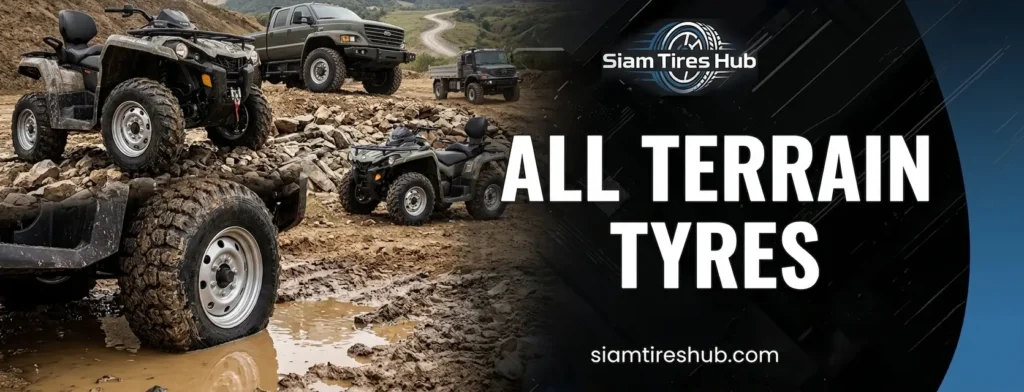
Category-Specific Sizing, Terrain Capabilities, and Sourcing Specs Tyre performance depends on construction, dimensions, tread pattern, load capacity, speed rating, compound, and intended application. These factors determine how a tyre performs across different driving conditions and environments. Understanding these elements is essential when comparing passenger, SUV, commercial, agricultural, and industrial tyres. Highway tyres require different engineering priorities from products designed for rough terrain, heavy loads, or demanding applications. For example, all terrain tyres balance road usability with traction on loose and uneven surfaces. This guide explains how specifications, vehicle requirements, terrain, operating conditions, and sourcing standards influence tyre category performance. How Does Specific Sizing Influence Tyre Performance? Tyre dimensions are key engineering specifications that affect vehicle compatibility and performance. Width, aspect ratio, construction, rim diameter, load index, and speed rating work together to determine handling, clearance, ride, and load distribution. Therefore, correct fitment involves more than matching the wheel diameter. Changes in width or overall diameter can influence steering response, ground clearance, rolling behaviour, and vehicle systems, while an unsuitable load rating can affect carrying capability. Tyre markings reveal these specifications when read together. For SUVs, SUV tyre load index and vehicle fitment requirements help ensure suitable capacity and compatibility. Commercial and industrial equipment may also require application-specific sizes. How Does Tread Engineering Affect Terrain Capability? Tread design controls how a tyre interacts with the surface. Engineers adjust block arrangement, groove depth, void ratio, shoulder structure, and contact characteristics according to the intended environment. On paved roads, consistent contact and water evacuation are important. Loose terrain requires tread characteristics that can maintain traction as the surface moves beneath the tyre. This explains why all terrain tyres have a distinctive engineering role. They are generally designed to provide a compromise between paved-road performance and traction across moderate off-road conditions. However, they should not automatically be treated as specialist tyres for every severe environment. Mining, construction, agricultural, and heavy industrial applications can demand much more specialised casing and tread characteristics. All-season and all-terrain designs serve different purposes The distinction between All-terrain vs all-season tread design and terrain capability becomes clearer when the operating environment is considered. All-season products are generally designed around broad road-going usability across changing weather and temperatures. All-terrain designs place greater emphasis on maintaining useful traction when the vehicle leaves conventional paved surfaces. Neither category is universally superior. Their engineering objectives are simply different. What Role Does Load Engineering Play? Load capacity is crucial for vehicles carrying passengers, cargo, equipment, or towing loads. A tyre’s load index indicates its capacity under specified conditions, while inflation, axle loading, vehicle configuration, and operating environment also affect performance. Therefore, tyres should match approved vehicle requirements rather than simply choosing the highest available rating. This becomes especially important in heavy-duty applications, where repeated overloading can increase heat and structural stress. Even all season tires should be selected according to the vehicle’s approved load requirements.  Two vehicles may share the same tyre size yet have very different demands. One may travel lightly loaded on roads, while another carries heavy materials over demanding surfaces. Consequently, application-specific engineering matters more than category labels alone. How Do Speed Ratings Define Performance Boundaries? Speed ratings establish a tyre’s tested speed capability under specified conditions. They should not be interpreted as a target driving speed. At higher speeds, tyres generate additional heat and experience greater mechanical forces. Construction, compound behaviour, inflation pressure, vehicle load, and road conditions all influence how the tyre performs. The relationship between Ultra high performance tyre speed ratings and handling limits is especially important when selecting tyres for performance-focused vehicles. Why higher performance does not always mean better suitability Ultra high performance tyres are designed to provide characteristics such as responsive steering, high-speed stability, and strong braking performance. However, these characteristics may not be the priority for every vehicle. A work vehicle travelling over rough terrain may benefit more from durability and load capability than from high-speed cornering response. Therefore, the correct engineering choice is the one that matches the vehicle’s intended operating envelope. How Does Weather Influence Category Performance? Temperature and moisture directly influence how tyres interact with road surfaces. Water can affect tread contact, while temperature changes may alter compound flexibility, traction, braking, and handling. Understanding All-season tyre traction across variable weather conditions shows why these tyres are designed for balanced performance across changing conditions rather than one specific environment. However, local climate and vehicle requirements should always guide selection. Tread geometry helps manage water and surface contact, while compounds influence rubber behaviour under varying temperatures and loads. These components work together, making it important to assess tread, compound, casing, and operating conditions as a complete engineering system. How Should SUV and Performance Fitment Be Assessed? Modern SUVs can have substantially different engineering requirements depending on their size, power, wheel dimensions, and intended use. A compact urban SUV may spend nearly all its time on paved roads. A larger SUV may regularly tow, carry substantial loads, or travel across unpaved surfaces. Therefore, Ultra high performance SUV tyre fitment and sizing standards should be assessed alongside the vehicle manufacturer’s approved specifications. Fitment also involves more than diameter. Width, load capacity, speed rating, clearance, wheel compatibility, and vehicle dynamics all need consideration. A technically sophisticated tyre can still be inappropriate if its specifications do not match the vehicle. What Should Quality Standards Include When Sourcing Tyres? Quality tyre sourcing starts with checking size, construction, load index, speed rating, application suitability, authenticity, warranty, and manufacturer details. Buyers should also assess product condition, stock consistency, and delivery reliability. When evaluating car tyre suppliers by quality standards and specs, clear technical information is essential for making informed comparisons. For commercial buyers, consistent supply can simplify replacement planning across different vehicles and applications. Wholesale procurement also requires attention to inventory, logistics, storage, transportation, documentation, and fulfilment. The car tyre supply chain and wholesale distribution criteria should therefore support both product quality and dependable availability when replacements are needed. How Can Buyers Apply Tyre Engineering Standards in Practice? A practical

Continental tyre price
Blog

Continental Tyre Price: What Determines Value in Heavy-Duty Applications?

Choosing tyres for commercial and industrial vehicles is rarely just about finding the lowest price. Tyres influence operating costs, vehicle performance, downtime, load handling, and maintenance requirements. Therefore, understanding what shapes Continental tyre price can help buyers make more informed purchasing decisions. For truck fleets, construction equipment, logistics operations, and industrial machinery, tyre selection becomes even more important. A tyre may have a higher initial cost but offer better suitability for its intended application. Furthermore, price can vary according to tyre size, construction, load rating, application, and product specification. These factors matter because heavy-duty tyres are designed for demanding working environments. This makes the relationship between price and value worth examining before making a commercial purchase. Why tyre pricing varies across applications? Tyres are engineered for different operating conditions. A road-going truck does not face the same demands as a mining loader or port vehicle. Truck and bus radial tyres, for example, are designed around commercial road applications. OTR tyres, meanwhile, are intended for equipment working on demanding surfaces and in industrial environments. Consequently, tyre pricing reflects more than the rubber itself. Construction, size, load capacity, tread design, and intended use all contribute to the overall value of a tyre. A fleet operator should therefore compare tyres within the same application category rather than judging products solely by their listed price. What influences Continental tyre price? Several practical factors can affect the price of a commercial tyre. Understanding these factors makes price comparisons more meaningful. Tyre size and specification Tyre dimensions have a direct influence on pricing. Commercial and industrial tyres are available in numerous sizes, each developed for particular vehicles and operating requirements. For example, the products listed by Siam Tires Hub include sizes such as 10.00R20, 11R22.5, 12.00R20, 275/70R22.5, 315/80R22.5, 385/65R22.5, and 425/65R22.5. These specifications are not interchangeable. The correct size must match the equipment and its operating requirements. Load and performance requirements Load ratings also matter when assessing tyre value. Heavy-duty applications can place substantial stress on tyres, particularly when equipment regularly carries heavy loads. A tyre’s specification should therefore be considered alongside the vehicle or machine’s operating requirements. Paying more for a suitable specification can be more economical than selecting an unsuitable tyre simply because it costs less initially. Application and working environment Road transport, construction, mining, ports, and industrial facilities create different tyre demands. A construction machine may operate over rough surfaces, while a logistics vehicle may spend most of its working life on paved roads. Similarly, port equipment can face repeated heavy-duty movements and demanding operating cycles. This is why Continental tyres are available for a range of commercial and industrial applications, with product specifications tailored to specific uses. How product design affects overall tyre value? Price becomes easier to evaluate when buyers consider what a tyre is designed to accomplish. For example, the product range presented by Siam Tires Hub includes Continental models such as EcoPlus HD3, ContainerMaster, EM-Master E3, ScoopMaster L-5S, Conti Hybrid HS3, HCS, and HAC 3. These products belong to different application categories. Some are listed as truck and bus radial tyres, while others are classified as off-the-road tyres. That distinction is important. A tyre intended for container handling equipment should not be evaluated in exactly the same way as a tyre intended for long-distance commercial transport. Construction matters beyond the initial purchase Tyre construction affects how a product performs under its intended operating conditions. Buyers should consider durability requirements, expected workload, terrain, and equipment type before comparing prices. Furthermore, the cost of an unsuitable tyre can extend beyond the purchase itself. Frequent replacement, operational interruptions, and maintenance requirements can affect the total cost of running equipment. This is where Continental tires Thailand buyers can benefit from evaluating specifications alongside commercial pricing rather than treating the price tag as the only deciding factor. The role of tyre availability in commercial purchasing For businesses operating fleets or heavy equipment, availability can be nearly as important as price. A competitively priced tyre provides limited value if it cannot be sourced when required. Delays can affect vehicle availability and, consequently, business operations. Siam Tires Hub states that it maintains 12 strategically placed warehouses across Thailand and Europe. Its stated objective is to support large inventory and quicker delivery for domestic orders. For international buyers, access to inventory can also make procurement more predictable. This is particularly relevant for businesses that require replacement tyres across multiple vehicles or equipment units. Comparing brands without focusing only on price Brand comparison can be useful, but it should be based on application and specification. For instance, Kumho Ecsta tires may appear in discussions involving commercial tyre purchasing, while Kumho tyres may be considered alongside other established brands. However, a meaningful comparison requires more than comparing brand names or advertised prices. Buyers should look at the specific tyre model, size, application, load specification, and intended operating environment. The same principle applies when evaluating the Continental tyre price for a particular commercial or industrial requirement. A direct comparison is only useful when the products serve comparable purposes. When can a higher price represent better value? A lower purchase price does not automatically mean lower operating costs. For heavy-duty users, tyre performance can influence how often replacements are required and how reliably equipment remains available. This is especially significant in mining, construction, logistics, and other industries where downtime can disrupt scheduled work. A suitable tyre can provide value through its alignment with the application. The focus should therefore shift from “How much does the tyre cost?” to “What value does this specification provide for this operation?” This broader perspective makes Continental tyre price a more useful commercial consideration rather than an isolated number. Sustainability and longer tyre use Environmental considerations are also becoming relevant to industrial tyre purchasing. Siam Tires Hub has introduced the GRÜNLOAD remold loader tyre series as part of its focus on eco-friendly projects. The series uses retreading technology and emphasises material reuse and longer tyre life. Retreading can provide another perspective on tyre value because

ultra high performance tyres
Blog

How Can Siam Tires Hub Help Choose Ultra High Performance Tyres?

Choosing the right tyres can significantly influence how a vehicle handles, brakes, and responds to different road conditions. For drivers seeking enhanced control and responsive handling, ultra high performance tyres can be an important consideration. These tyres are designed for vehicles and driving requirements where grip, steering response, cornering stability, and high-speed control are particularly important. However, selecting the right option requires more than simply choosing a performance-oriented tyre. Vehicle specifications, road conditions, driving habits, tyre size, load requirements, and speed ratings should all be considered. Understanding these factors can help vehicle owners make informed decisions and choose tyres that complement their vehicles. Whether the requirement involves everyday highway driving, premium passenger vehicles, SUVs, or mixed road conditions, the right tyre category can contribute to dependable handling and driving confidence. Understanding What Makes Performance Tyres Different Ultra-high-performance tyres are developed with characteristics that distinguish them from conventional passenger tyres. Their construction and tread designs are generally focused on delivering responsive handling and strong road contact. Responsive Steering and Handling Performance-focused tyres are intended to provide a more immediate steering response. This can be particularly valuable for drivers who want greater precision when changing direction or navigating corners. Improved Road Grip Grip is another important consideration. A tyre with an appropriate tread compound and design can help maintain dependable contact with the road across suitable driving conditions. High-Speed Stability Vehicles designed for higher-speed performance require tyres with appropriate speed ratings. Drivers should always check the manufacturer’s recommended specifications rather than assuming that a higher-rated tyre is automatically suitable. Choosing Reliable Car Tyre Suppliers Wisely Finding the right tyre is only part of the purchasing process. The supplier also plays an important role because buyers need access to suitable products, accurate specifications, and dependable assistance. When comparing car tyre suppliers, customers should consider product variety, tyre quality, brand availability, technical information, and supply capabilities. Product Selection A supplier with a broad range of products can make it easier to identify tyres suited to different vehicle types and applications. Passenger car, SUV, commercial, agricultural, industrial, and OTR categories can have substantially different requirements. Genuine Product Information Buyers should pay attention to specifications such as tyre size, load index, speed rating, construction, and intended application. Having access to these details helps customers select products according to vehicle requirements rather than appearance alone. Wholesale Supply For dealers, fleets, and businesses, reliable wholesale availability can be particularly important. Consistent supply helps businesses manage replacement requirements and maintain their operations more efficiently. Finding Suitable Car Tires For Sale Online The growing availability of car tires for sale gives buyers more opportunities to compare different products and specifications before making a decision. However, a large selection can also make the purchasing process confusing if buyers focus only on price or visual design. Check Vehicle Specifications The first step should always be checking the vehicle manufacturer’s recommended tyre size and specifications. Important details may include width, aspect ratio, wheel diameter, load index, and speed rating. Match Your Driving Conditions A tyre intended for regular city driving may not provide the characteristics required for frequent highway travel or mixed road conditions. Drivers should therefore consider where and how their vehicles are normally used. Consider Long-Term Value The cheapest option is not necessarily the most suitable. A tyre that matches the vehicle and driving environment can provide more consistent performance and may offer better value throughout its service life. When All Terrain Tyres Offer Useful Balance  Not every vehicle operates exclusively on smooth paved roads. Drivers who regularly travel across gravel, dirt tracks, rural roads, or light off-road surfaces may need a tyre designed for greater versatility. In such situations, all terrain tyres can provide a useful balance between road manners and traction across less predictable surfaces. Mixed Surface Performance All-terrain designs generally focus on providing traction across a combination of paved and unpaved surfaces. These tread patterns can offer additional grip when vehicles encounter gravel, dirt, or uneven terrain. Durability for Varied Roads Driving on rough surfaces can place additional demands on tyres. A suitable all-terrain design can provide stronger construction and tread characteristics appropriate for mixed-use conditions. Choose According to Usage All-terrain tyres are not automatically the best choice for every SUV or passenger vehicle. Drivers who primarily travel on paved city roads may have different priorities, such as quiet operation, comfort, and fuel efficiency. The best option depends on actual usage. Selecting SUV Tyres for Different Needs SUVs can place different demands on tyres because of their vehicle size, weight, and intended versatility. Selecting appropriate SUV tyres requires consideration of the vehicle’s specifications as well as the roads on which it is driven. Everyday Urban Driving SUVs used primarily for commuting may benefit from tyres designed to balance comfort, handling, road grip, and everyday durability. Drivers should prioritise products that match the manufacturer’s recommendations. Highway Travel Frequent highway travel can make stability, consistent handling, and even tread wear important considerations. Suitable tyres should have the appropriate speed and load ratings for the vehicle. Rougher Road Conditions SUV owners who regularly encounter gravel roads, rural routes, construction areas, or light off-road conditions may need tyres with stronger traction characteristics. In these circumstances, an appropriate all-terrain option may be worth considering. Matching Tyres With Vehicle Requirements One of the most important principles of tyre selection is matching the product to the vehicle rather than choosing based solely on appearance or price. Even tyres with similar dimensions can have different performance characteristics. Understand Tyre Size Tyre width, aspect ratio, and wheel diameter all influence how a tyre fits and performs. Buyers should verify the correct size before purchasing. Check Load Capacity The load index indicates how much weight a tyre is designed to support under specified conditions. This becomes especially important for SUVs, vehicles carrying passengers and luggage, and commercial applications. Review Speed Rating Speed ratings indicate the maximum speed capability under specified conditions. Performance-oriented vehicles should use tyres compatible with the manufacturer’s requirements. Conclusion Selecting the right tyre involves

radial tires Thailand
Blog

Radial Tires Thailand: Choosing Reliable Tyres for Commercial and Industrial Performance

The performance of any vehicle depends heavily on the quality of its tires. Whether managing a logistics fleet, operating construction equipment, or maintaining commercial transport vehicles, investing in premium radial tires Thailand ensures greater safety, fuel efficiency, and long-term durability. Modern radial tires are engineered to provide superior road grip, even wear, and enhanced driving stability, making them the preferred choice across multiple industries. When sourcing high-quality radial tires, partnering with a trusted supplier is equally important. Siam Tires Hub has established itself as a leading wholesale tire distributor, offering an extensive portfolio of premium tire brands for passenger vehicles, commercial trucks, industrial equipment, agricultural machinery and off-the-road (OTR) applications. With more than 20 years of distribution experience, 12 strategically located warehouses across Thailand and Europe, and worldwide shipping capabilities, we support businesses with dependable tyre solutions and expert guidance. Why Radial Tires Are the Preferred Choice Radial tire technology has transformed the transportation industry by improving performance, ride quality, and operational efficiency. Unlike conventional tire construction, radial tires distribute pressure more evenly across the contact patch, resulting in improved handling and longer tread life. Better Fuel Efficiency Lower rolling resistance allows vehicles to consume less fuel, helping businesses reduce operating costs over time. Longer Service Life The durable construction minimises uneven wear, allowing tyres to remain in service for extended periods. Improved Driving Stability Radial tires provide excellent traction, smoother handling, and greater control under varying road conditions. Enhanced Comfort Flexible sidewalls absorb road vibrations more effectively, improving driver comfort during long-distance travel. We supply premium radial tire solutions that meet the performance requirements of commercial fleets, industrial operators, and transportation companies worldwide. For businesses seeking dependable radial tires in Thailand, choosing premium products from a trusted supplier like us ensures access to high-quality tires that deliver reliable performance across commercial, industrial, and passenger vehicle applications. Truck Tyres Thailand for Heavy-Duty Operations Commercial transportation requires tyres capable of handling heavy loads while maintaining consistent performance over long distances. Businesses searching for dependable truck tyres Thailand should evaluate tyre quality alongside durability, load capacity, and operating efficiency. Premium truck tyres contribute to lower maintenance costs and improved fleet productivity, especially when supplied by experienced distributors like us, which offers solutions for logistics companies, mining operations, construction firms, and commercial transport businesses. Key Benefits of Truck Radial Tyres Selecting high-quality truck tyres helps businesses minimise downtime while maximising operational reliability. Why Triangle Tyre Thailand Continues to Gain Popularity Among the many international tyre brands available, triangle tyre Thailand has earned recognition for delivering dependable performance across commercial, industrial, and passenger vehicle applications. Designed with advanced engineering and durable tread compounds, Triangle tyres provide an excellent balance between performance, longevity, and cost efficiency. We offer a comprehensive range of Triangle tyres suitable for: Triangle tyres are engineered to withstand demanding operating environments while delivering reliable grip, fuel efficiency, and durability, making them an attractive choice for businesses seeking long-term value. Features That Stand Out These qualities make Triangle tyres a practical investment for businesses operating commercial fleets. Choosing the Right Triangle Tyres Supplier Finding a dependable triangle tyres supplier involves more than comparing product availability. Businesses should also consider inventory capacity, technical expertise, logistics support, and after-sales service. Working with an experienced supplier provides access to genuine products from internationally recognised brands, along with professional consultation to help customers choose tyres that match their operational requirements. Why Supplier Experience Matters A trusted supplier offers: We serve tyre dealers, logistics companies, construction businesses, and mining operators by maintaining extensive stock across multiple warehouses, enabling efficient domestic and international deliveries. A Wide Range of Tyre Solutions from Siam Tires Hub Beyond Triangle Tyres, Siam Tires Hub supplies a diverse portfolio of internationally recognised tyre brands for various industries and vehicle categories. Our product range includes: Commercial Vehicle Tyres Designed for trucks, buses, and logistics fleets requiring durability and fuel efficiency. Off-the-Road (OTR) Tyres Suitable for mining, quarrying, construction, and heavy industrial machinery operating in demanding environments. Passenger Vehicle Tyres Offering comfort, safety, and high-performance handling for everyday driving. Industrial Equipment Tyres Supporting forklifts, loaders, port equipment, and material-handling applications. This extensive selection allows businesses to source multiple tyre categories through a single trusted distributor. What Sets Siam Tires Hub Apart? Selecting a tyre distributor is about more than product availability. Customers also benefit from industry knowledge, technical guidance, and dependable customer service. We distinguish ourselves through: These strengths make the company a preferred partner for businesses seeking consistent tyre supply and long-term operational value. By combining quality products with industry expertise and efficient logistics, we continue to be a trusted partner for businesses looking for durable, high-performance tyre solutions in Thailand and beyond. Conclusion Investing in premium radial tires Thailand is essential for businesses that prioritise safety, efficiency, and long-term operating performance. Whether managing commercial transportation, industrial operations, or construction equipment, selecting high-quality radial tyres contributes to lower maintenance costs, improved fuel economy, and enhanced vehicle reliability. Siam Tires Hub continues to support businesses with an extensive portfolio of premium tyre brands, including Triangle Tyres, backed by expert consultation, large inventory capacity, and worldwide distribution capabilities. By delivering reliable products and customer-focused service, we remain a trusted partner for organisations seeking durable tyre solutions across Thailand and international markets. So, contact us today to make us your partner in the competitive markets. 

Truck & bus radial tires
Blog

Truck & Bus Radial Tires: Driving Commercial Performance with Siam Tires Hub

Every successful transport business depends on reliability, efficiency, and safety. Whether managing regional deliveries, cross-border logistics, or heavy-duty freight operations, selecting the right tyres directly impacts operational costs and vehicle performance. Truck & bus radial tires have become the preferred choice for fleet owners because these tires provide superior mileage, better fuel economy, enhanced stability, and consistent performance across diverse road conditions. As one of Thailand’s trusted tyre distributors, Siam Tires Hub offers an extensive portfolio of commercial, industrial, passenger, and speciality tyres from globally recognised manufacturers. Among its premium offerings, double coin has earned a strong reputation for providing dependable commercial tyres that balance durability with affordability. With strategically located warehouses, global shipping capabilities, and decades of industry experience, we help businesses source tyres that maximise operational efficiency while minimising downtime. Why Modern Fleets Depend on Truck & Bus Radial Tires Built for Heavy-Duty Operations Commercial vehicles cover thousands of kilometres every month while carrying substantial loads. Traditional tyre construction often struggles under continuous stress, whereas radial technology distributes pressure more evenly throughout the tyre. This construction helps reduce heat buildup, allowing fleets to operate longer distances while maintaining consistent performance. The result is improved tyre longevity and greater reliability for demanding transportation operations. Better Fuel Efficiency Fuel expenses remain one of the largest operational costs for transport companies. Modern radial tyres are engineered with lower rolling resistance, allowing trucks and buses to consume less fuel without sacrificing load-carrying capability. Lower fuel consumption not only reduces operational expenses but also contributes to more environmentally responsible fleet management. Enhanced Road Safety Commercial transportation requires dependable handling in changing weather and road conditions. Radial tyres offer improved road contact, better braking performance, and enhanced steering precision. Drivers experience greater confidence during long-distance travel, while fleet operators benefit from improved vehicle stability under heavy loads. Double Coin truck tyres for Reliable Commercial Transport Engineered for Daily Performance Fleet managers need tyres that deliver consistent performance over extended service intervals. Throughout commercial transportation, Double Coin Truck Tyres have established a reputation for offering dependable durability, excellent wear resistance, and reliable traction under demanding operating conditions. The tyres are developed specifically for commercial transportation, making them suitable for long-haul logistics, regional freight, construction vehicles, and heavy-duty applications where reliability is essential. Their advanced tread patterns promote even wear, helping businesses maximise tyre life while maintaining dependable road performance. Lower Operating Costs Every kilometre matters in commercial logistics. Double Coin products are designed to reduce the overall cost per kilometre through extended tread life and dependable casing durability. This enables fleet operators to reduce replacement frequency while maintaining productivity throughout demanding transportation schedules. Supported by Siam Tires Hub We supply a wide selection of Double Coin commercial tyres suitable for multiple axle positions and transportation requirements. Our company’s experienced specialists assist customers in selecting tyres based on vehicle specifications, operational environments, and performance expectations. Our strong inventory management and international distribution network ensure customers receive genuine products with dependable service and competitive pricing. SUV tyres That Deliver Everyday Confidence Designed Beyond Commercial Applications Although we are recognised for commercial tyre solutions, we also serve customers seeking premium SUV tyres for personal and business vehicles. SUV owners often require tyres capable of handling city streets, highways, and occasional off-road terrain without compromising ride comfort. Modern SUV tyres combine durability with excellent handling characteristics, allowing drivers to experience improved traction, reduced road noise, and enhanced driving comfort throughout every journey. Performance Across Different Road Conditions Whether driving during heavy rainfall or on dry highways, high-quality SUV tyres maintain stable grip and predictable handling. Advanced tread compounds help improve water evacuation while optimising contact with the road surface. This creates greater stability during cornering, acceleration, and emergency braking situations. We select premium SUV tyre brands that meet demanding safety and quality expectations while offering long-lasting value. Ultra high performance tyres for Superior Driving Experience Precision at Higher Speeds Modern performance vehicles require tyres capable of maintaining stability at elevated speeds. During spirited driving or highway cruising, ultra high performance tyres provide enhanced cornering capability, shorter braking distances, and improved steering responsiveness. Manufacturers achieve these characteristics through advanced rubber compounds, optimised tread designs, and reinforced construction. Improved Driver Control Vehicle handling depends significantly on tyre quality. Ultra high performance tyres are engineered to maximise grip while maintaining excellent road feedback. Drivers benefit from smoother handling, increased confidence during lane changes, and greater stability during high-speed travel. Available Through Siam Tires Hub We offer an extensive collection of premium passenger tyres, including ultra high performance products suitable for sports sedans, luxury vehicles, and premium SUVs. Customers receive professional guidance to ensure every tyre selection matches both vehicle specifications and driving requirements. Siam Tires Hub: Your Trusted Tyre Partner Extensive Product Portfolio We supply tyres for numerous industries, including logistics, mining, agriculture, construction, industrial operations, passenger vehicles, and commercial transportation. Our catalogue includes internationally recognised brands covering truck, bus, industrial, agricultural, OTR, passenger car, and speciality tyre applications. Strong Distribution Network We have built an efficient supply chain supported by strategically located warehouses that enable faster order fulfilment for customers across domestic and international markets. This reliable logistics infrastructure allows businesses to receive tyres promptly while minimising operational interruptions. Industry Expertise With more than two decades of experience serving tyre dealers, logistics providers, construction companies, and industrial clients, we understand the practical challenges faced by commercial vehicle operators. Our experienced professionals recommend products based on application, vehicle load requirements, road conditions, and operational goals rather than offering one-size-fits-all solutions. Choosing the Right Truck & Bus Radial Tires Understand Vehicle Requirements Every commercial vehicle operates under different conditions. Factors such as payload, driving distance, axle position, terrain, and weather should influence tyre selection. Matching the correct tyre specification ensures optimal performance and longer service life. Focus on Total Cost of Ownership Instead of evaluating tyres based solely on purchase price, businesses should consider fuel savings, expected mileage, maintenance requirements, and replacement frequency. High-quality radial tyres typically provide better long-term financial value.

Kumho tyres
Blog

Kumho Tyres: The Right Tread for Every Road, Load, and Lifestyle

Choosing tyres is rarely as simple as picking a familiar brand. The real question is whether the tyre matches the vehicle, road conditions, driving habits, and workload. That is where Kumho tyres enter the conversation. Known for producing options across passenger vehicles, SUVs, light trucks, and commercial applications, Kumho offers a broad range designed for different driving needs. However, no single tyre is perfect for every situation. A highway commuter has different priorities from an SUV owner who regularly leaves paved roads. Similarly, a fleet operator needs durability and predictable performance under demanding workloads. So, what makes Kumho’s range worth exploring? More importantly, which type of tyre makes sense for your vehicle? Let’s take a closer look at the technology, applications, and real-world considerations that can help you make a more informed choice. Why Kumho Tyres Stand Out Across Different Driving Needs? The biggest advantage of Kumho tyres is the breadth of its product portfolio. Instead of focusing on only one type of driver, the brand develops tyres for varied road environments and vehicle categories. For everyday passenger vehicles, drivers often look for a balance between comfort, handling, braking, and mileage. SUV and light-truck owners may need stronger construction and dependable traction. Commercial operators, meanwhile, often prioritise load capacity, tread life, and operational efficiency. Consequently, tyre selection should begin with the application rather than the brand name alone. A tyre that performs beautifully on smooth highways may not be suitable for rocky surfaces. Likewise, an aggressive off-road tread may feel unnecessary for someone who spends nearly every journey in city traffic. The Importance of Matching Tyres to Your Vehicle Your vehicle manufacturer’s recommended tyre size is the first specification to check. This includes dimensions, load index, and speed rating. For example, a tyre marked 265/60R18 has specific dimensional characteristics that must match the vehicle’s requirements. The load and speed ratings also matter because they indicate the tyre’s designed operating limits. Furthermore, drivers should consider how they actually use their vehicles. A family SUV used for weekend trips may require a different tread design from a pickup working on construction sites. The right match can contribute to more predictable handling, better traction, and a more comfortable driving experience. How Different Tread Designs Change the Driving Experience? Tread patterns are not simply decorative. They influence how a tyre interacts with the road. A highway-focused tread is generally designed to provide stable road contact, controlled handling, and comfortable cruising. On the other hand, an off-road-oriented pattern may feature deeper grooves and stronger block designs to help manage loose surfaces. This is why Kumho Ecsta tires appeal to drivers looking for performance-oriented characteristics in suitable passenger-car applications. The Ecsta family is associated with sporty driving and responsive handling, making it relevant to motorists who value steering feel and road performance. However, performance should always be considered alongside the vehicle’s intended use. A tyre designed for responsive handling may not be the ideal option for someone whose main priority is maximum off-road traction. When All-Season Performance Makes More Sense? For many drivers, changing tyres according to every seasonal shift is not practical. This is where all-season tires can provide a convenient solution for everyday driving in regions with moderate weather conditions. These tyres are generally developed to offer balanced performance across a range of conditions. They can be suitable for commuters who encounter dry roads, wet pavement, and occasional cooler weather throughout the year. However, “all-season” does not mean “perfect in every season.” In areas with severe winter conditions, dedicated winter tyres may provide more appropriate cold-weather traction. Therefore, drivers should consider their local climate before choosing all-season tyres. A balanced tyre makes sense when weather conditions are relatively moderate, while extreme environments call for specialised equipment. Why All-Terrain Tyres Appeal to Adventurous Drivers? SUV and pickup owners often want one set of tyres that can handle both pavement and occasional rough terrain. That is where all-terrain tyres become particularly interesting. Their tread design typically aims to provide a compromise between road manners and off-road capability. This makes them useful for drivers who regularly travel between highways, gravel roads, construction areas, farms, and unpaved tracks. The key word here is compromise. An all-terrain tyre may offer more versatility than a highway tyre, but it may not deliver the same quietness or road-focused efficiency. Similarly, it may not provide the extreme mud performance of a dedicated mud-terrain design. For mixed-use vehicles, however, all-terrain tyres can be a practical middle ground. Performance Beyond Passenger Vehicles The conversation around tyre selection extends far beyond personal cars. Commercial and industrial operators often face much tougher conditions. Heavy equipment may operate around mines, construction sites, ports, warehouses, and industrial facilities. In these environments, tyres must cope with demanding loads, challenging surfaces, and long operating hours. This is where application-specific engineering becomes essential. A commercial tyre must be selected according to the vehicle, axle position, operating surface, expected load, and duty cycle. For example, steer tyres and trailer tyres have different functional demands. Similarly, tyres used in mixed-service environments need to cope with changing surfaces. Kumho’s commercial portfolio includes Truck and Bus Radial Tyres designed for different applications. Models such as the KRS02, KLT12E, KRS03, KMA01, and 983/KRA12 demonstrate how tread patterns and specifications can vary according to intended use. The lesson is straightforward: commercial tyre buying should never be based on size alone. What Should You Look for Before Buying? Before purchasing a new set, take a moment to consider five practical factors. 1. Your Vehicle Start with the manufacturer’s recommended specifications. The correct size and load rating are essential. 2. Your Typical Roads Think about where you drive most often. Highways, urban roads, gravel tracks, and construction sites all create different demands. 3. Your Driving Style A relaxed commuter may value comfort and mileage. A performance-focused driver may prioritise handling and steering response. 4. Your Climate Wet weather, heat, cold temperatures, and snow can all influence tyre selection. Your local environment should play a role in the decision.

all terrain tyres
Blog

How to Choose the Right Tyres Based on Vehicle Type, Driving Conditions & Performance Needs?

Complete Tyre Selection Guide for Passenger Cars, SUVs & Performance Vehicles Choosing tyres is not simply about finding a rubber ring that fits your wheels. Your tyres influence braking, handling, comfort, fuel use, road noise, and overall driving safety. The right choice depends on your vehicle, where you drive, how often you drive, and what you expect from your car. For example, a tyre that works well for a family sedan may not be suitable for a heavy SUV or a performance-focused vehicle. Likewise, city roads, motorways, wet surfaces, gravel tracks, and rough terrain demand different tread designs and construction. This blog explains how to choose the right tyres by looking at vehicle type, driving conditions, tyre specifications, and performance requirements. It also compares common tyre categories so you can make a practical decision rather than relying only on brand names or price. Start With Your Vehicle Type The first step is matching the tyre to your vehicle. Manufacturers design cars with specific tyre dimensions, load requirements, and handling characteristics in mind. Passenger Cars Sedans, hatchbacks, and compact cars generally need tyres that balance comfort, braking, fuel efficiency, and everyday handling. If most journeys involve commuting, shopping, school runs, and urban roads, look for a tread pattern that offers stable grip without creating excessive road noise. Reputable car tyre suppliers can also help you compare suitable options based on your vehicle and driving habits.  For frequent highway travel, consider tyres designed for predictable straight-line stability and wet braking. A softer touring-oriented construction may also improve ride comfort on longer journeys. Before buying, check the recommended tyre size, load rating, and speed rating to ensure the selected option matches your car’s requirements. SUVs and Crossovers SUVs are heavier than many passenger cars and often have higher centres of gravity. Consequently, their tyres need to provide appropriate load capacity and dependable cornering stability. When researching best tyres for SUV driving conditions, consider whether your SUV spends most of its time on paved roads or regularly travels over gravel, mud, sand, or uneven surfaces. For primarily urban use, road-oriented SUV tyres can offer a good combination of comfort, handling, and tread life. Drivers who frequently leave paved roads may need a more rugged tread design. Performance Vehicles Sports cars and high-powered vehicles place greater demands on steering response, braking, and high-speed stability. Their tyres need to complement the vehicle’s suspension and power delivery. Ultra-high-performance tyres generally use specialised tread compounds and construction to provide strong grip and responsive handling. However, maximum performance may come with trade-offs in tread life, comfort, and wet-weather characteristics. Match Tyres to Your Driving Conditions Your usual roads matter just as much as your vehicle. Think about where your tyres will spend most of their working life. City and Highway Driving Urban driving involves frequent acceleration, braking, turning, traffic, and uneven road surfaces. A good road tyre should provide reliable wet and dry grip while maintaining reasonable comfort. For drivers who regularly combine commuting with longer motorway journeys, the best tyres for highway and city driving should provide a balanced combination of stability, braking performance, comfort, and durability. Wet and Changing Weather Rain changes the way tyres interact with the road. Tread grooves help move water away from the contact area, reducing the risk of losing grip on wet surfaces. If your driving environment experiences varied weather throughout the year, all season tyres can provide a practical compromise. They are designed for a broader range of conditions than many specialised summer tyres, although they are not a substitute for dedicated winter tyres in severe winter climates. Rough Roads and Off-Road Conditions Drivers who regularly encounter gravel, loose surfaces, construction areas, or trails should consider all terrain tyres. Their tread patterns are generally more aggressive than conventional road tyres and are built to provide additional traction across mixed surfaces. However, aggressive tread is not automatically better for every driver. If your SUV spends nearly all its time on smooth roads, a road-focused tyre may provide quieter operation and more efficient everyday performance. Understand Tyre Specifications Before Buying The numbers printed on a tyre sidewall provide important information. Learning to read them can prevent costly mistakes. Tyre Size and Load Rating A tyre size and load rating guide helps you understand dimensions and weight capacity. A typical tyre marking may include width, aspect ratio, construction type, wheel diameter, load index, and speed rating. Never select a different size simply because it looks better. The replacement tyre should meet the vehicle manufacturer’s approved specifications unless a qualified professional confirms that an alternative setup is appropriate. Load rating is particularly important for SUVs, vans, commercial vehicles, and vehicles carrying heavy loads. An unsuitable rating can affect handling and tyre durability. Speed Rating The speed rating indicates the maximum speed capability associated with the tyre under specified conditions. A speed rating explained for car tyres should always be considered alongside load capacity and the vehicle manufacturer’s recommendations. A higher rating does not automatically mean a better tyre for everyday driving. Instead, choose a specification that suits the vehicle and your normal usage. Compare Tyre Types Carefully Tyre categories exist because drivers have different priorities. Understanding those differences makes comparison easier. All Season vs All Terrain The question of all season vs all terrain tyres is really about intended use. All-season designs focus on versatility across ordinary paved-road conditions and changing weather. All-terrain designs place greater emphasis on mixed-surface traction. If you commute primarily on asphalt, the former may make more sense. If your routine includes unpaved roads, trails, or rough work sites, the latter may be more suitable. Ultra High Performance vs Touring When comparing ultra high performance tyres vs touring tyres, consider what matters most to you. Performance tyres prioritise steering response, cornering grip, and braking characteristics. Touring tyres generally focus more on comfort, quietness, stability, and long-distance usability. Therefore, the fastest-looking option is not necessarily the best choice for a family car used mainly for commuting. Check More Than the Price

Scroll to Top